Predatory locksmiths accused of overcharging customers locked out of homes, vehicles
Experts shared six ways to protect yourself from this growing problem in your time of need
(InvestigateTV) — Locking your keys inside your house or car can, at times, put you in a dangerous situation. While locksmiths are often called to solve the problem, how do you know that the locksmith you found online is reputable and trustworthy?
InvestigateTV found that not all locksmiths are created equal, and some of them may even be scammers who charge exorbitant fees or cause damage to property.
Our investigation uncovered alarming stories of victims across the country duped by the actions of predatory locksmiths, including:
- Excessively high charges, including some that were thousands higher than expected
- Performing unnecessary work that customers did not request
- Drilling locks that could be unlocked using other means
- Charging customers for other destructive practices, such as kicking in home doors
“That’s Outrageous!”
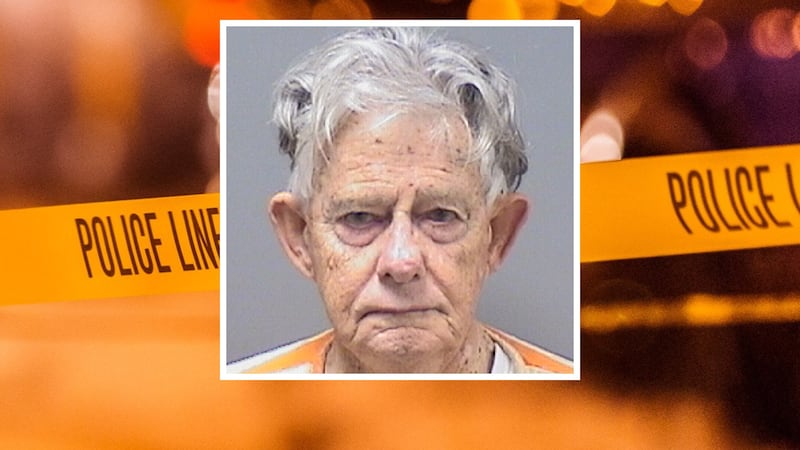
Enrique Hernandez, a 70-year-old Kansas City area man, called a locksmith when he accidentally locked his keys inside his home in a rush to get to his shift at work on time.
“As soon as I closed the door, I knew that I didn’t have my keys on me,” he recalled.
He found the locksmith’s listing online.
Once the locksmith arrived, things got off to a bad start immediately.
“Once he opened it up, I told him that’s all you need to do because this one was not locked,” Enrique said as he showed us the deadbolt lock.
Things then went from bad to even worse.
Enrique did not ask the locksmith about his prices when making the initial call for service.
“I figured maybe $150. It would have been fine for me to pay $150.”
Instead, he was billed a staggering $1,217.29.
A breakdown of the bill showed that he was charged nearly $400 per lock, one of which he said he didn’t even need.
“That’s outrageous, you gotta be kidding me, I’m not paying that!” Hernandez exclaimed, expressing his outrage over the excessive charges.
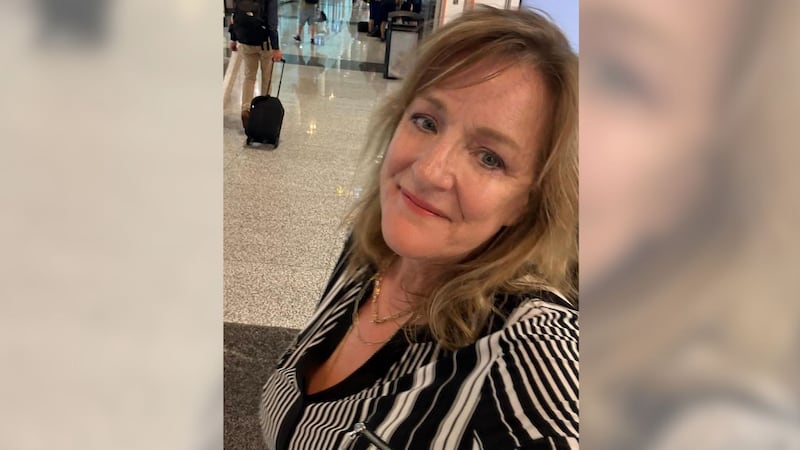
Similarly, Leslie Weeks in Utah said she had her door damaged due to a locksmith’s actions, and her bill shot up to $770.
“He stripped away a layer of 2.5 inches by 6 inches of the door by pushing too hard on the drill,” Weeks said.
She said the locksmith originally quoted her $300 to complete the job.
Another woman in Kansas said the locksmith she called kicked in her door and charged $231 for getting her back inside.
How the Operation Works
“Consumers are desperate when they need a locksmith,” Steve Howe, District Attorney in Johnson County, Kansas, told our investigators.
“They can’t get in their car, they can’t get in their house, and so these individuals prey on that.”
Howe and his office investigated what happened to Enrique Hernandez and several others.
He says that predatory locksmiths are a big problem.
“They tell them one price and charge them considerably more after the work is done and basically hold them hostage,” Howe said.
He explains that these scammers often buy Google ads to appear at the top of search results for “locksmith,” misleading consumers.
Many of these illegitimate locksmiths change their company names, phone numbers, and addresses once investigations start.
“They change their name and phone number, and often they have no physical address,” he added.
An Unregulated Industry
Locksmith licensing varies by state. Only 13 states require locksmiths to have a license, and Nebraska removed its requirement in 2021.
According to the Better Business Bureau Midwest Plains (which covers Nebraska), complaints about locksmith scams nearly doubled from 25 in 2022 to 48 in 2024.
- 2021: 28 complaints
- 2022: 25 complaints
- 2023: 40 complaints
- 2024: 48 complaints
- 2025: 26 complaints (as of June 4, 2025)
Zach Wilcox, who used to work for a locksmith scam operation, described how he was instructed to overcharge.
“Start with car lockouts, making me charge people $250 a car lockout is pretty insane,” he said.
Wilcox showed our investigators receipts of the work he used to do.
“In just 9.5 months, I made them $131,000,” Wilcox noted, reflecting on his past work.
“I wish I would have tried harder to stop it all because it’s just growing and growing.”
Small Businesses Hurt By Predatory Locksmiths
Ryan Carolson is a second-generation locksmith, owning the Lock Doctor in Lee’s Summit, Missouri.
“If you can’t trust your locksmith, it’s kind of a scary situation because we’re trained to get into places most people can’t.”
He says, since COVID that these predatory locksmiths have ramped up.
“It gives a lot of these legitimate locksmiths a bad name.”
Ryan believes these predatory locksmiths are hurting his business.
Additionally, he says that the practice of creating new business listings that are shown in search results using existing business names hurts his business as well.
“If you’re Googling our name, type in the Lock Doctors. You can find one that says ‘24locksmith.io’. That’s not us.”
Ryan says that it even shows the address, phone number and hours of his business.
“If you hit this button over here - this call me now button - that’s not us.”
He pointed out and demonstrated his business’s real phone number, shown on the screen to a potential lead, is not clickable or hyperlinked. Only the ‘call me now’ button can be clicked for a call.
InvestigateTV called the number that is tied to that button.
A woman answered the call but denied being from the Lock Doctor and hung up on our investigators.
The problems don’t end there either. With physical addresses pointing to homes, apartments, empty storefronts and other businesses, it is hard for authorities to track down the people creating these search results.
How to Protect Yourself
Enrique Hernandez hopes his story warns others.
“It’s a really, really devastating lesson.”
On his receipt, there is no name, no phone number, and no way to track down the person who he believes took advantage of him.
He was never able to receive any of his money back.
Experts recommend having a list of reputable locksmiths before you’re locked out. To avoid being scammed, always verify locksmith credentials and be cautious of companies with suspicious online listings.
Here are six tips to help protect you from becoming a victim of predatory locksmithing (gathered within interviews for this investigation and from the Better Business Bureau):
- Stick to BBB-accredited locksmiths
- Look closely at results you find in web searches, and verify company addresses using Google Street View to see physical locations
- Ask plenty of questions, including how much a call costs, or about the pricing of possible parts
- Check the locksmith’s identification upon arrival, look for branded vehicles
- Be aware of drilling, as many locksmiths have the skills to open almost any lock
- Ask for a written quote before the technician begins work and an invoice after the work is completed, looking for red flags such as no physical address, fake addresses, or companies with no licensing
Visit the Better Business Bureau website to find a full list of accredited locksmiths.
Copyright 2025 Gray Media Group, Inc. All rights reserved.